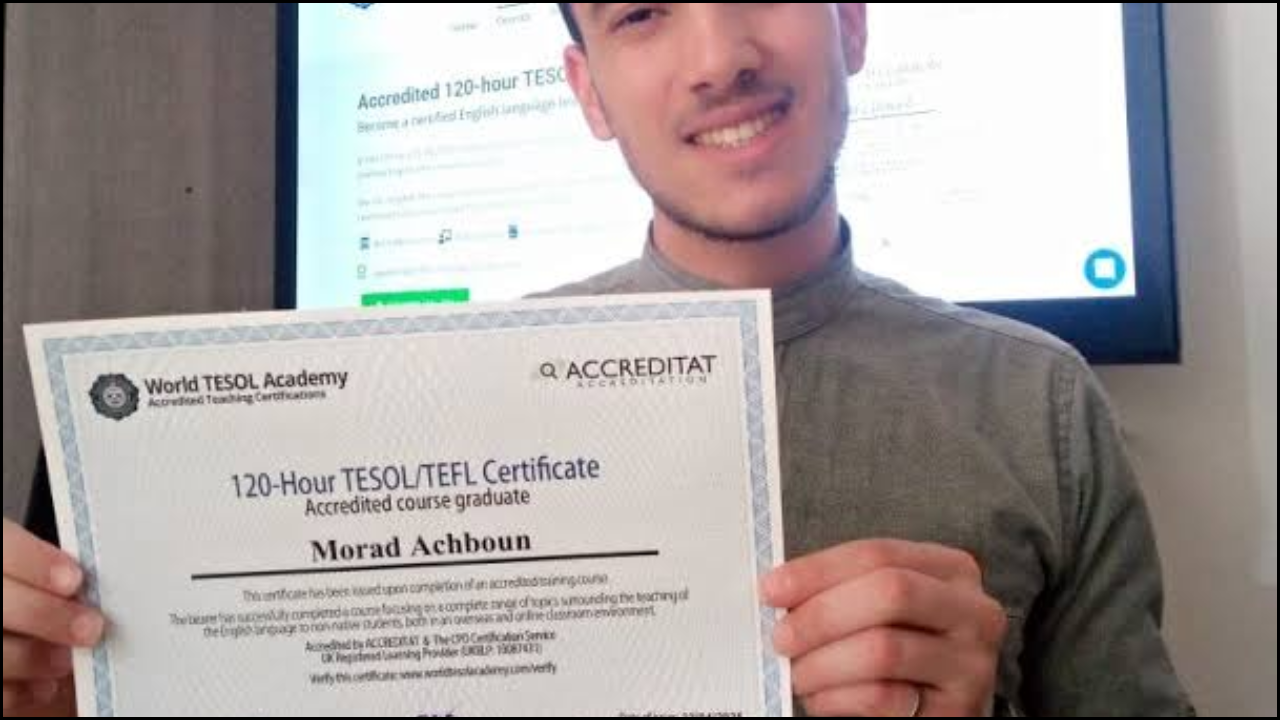
An online TEFL (Teaching English as a Foreign Language) course offers aspiring educators the flexibility to earn their teaching certification from anywhere in the world. This path suits individuals who want to teach English abroad or online but need to balance their studies with work, travel, or family commitments. While convenient, online TEFL training still requires dedication, interaction, and practical skill-building. Understanding what to expect helps learners get the most out of the experience and feel confident stepping into the classroom.
Table of Contents
1. Flexible Study Schedule
One of the biggest advantages of online TEFL courses is flexibility.
- Self-Paced Learning: Many programs allow you to study at your own speed within a given time frame—typically 3 to 6 months.
- 24/7 Access: Course materials are available anytime, letting you fit lessons around your daily schedule.
- Work-Life Balance: Online study makes it possible to continue working or traveling while preparing for your TEFL qualification.
- Time Management Skills: Learning to set a consistent study routine becomes essential for success.
Reality Check: Flexibility requires discipline—procrastination can easily delay certification.
2. Comprehensive Theoretical Modules
Online TEFL courses cover a wide range of teaching concepts, grammar structures, and classroom management techniques.
| Core Module | Key Focus Areas |
|---|---|
| Language Awareness | Grammar, pronunciation, syntax, and sentence structure |
| Teaching Methodology | Communicative approaches, lesson planning, and student engagement |
| Classroom Management | Handling mixed-ability groups, maintaining discipline, and creating a positive learning environment |
| Lesson Planning | Designing activities, choosing materials, and setting learning objectives |
| Teaching the Four Skills | Reading, writing, listening, and speaking instruction strategies |
| Assessment & Feedback | Testing methods, error correction, and progress evaluation |
Each module combines theory with practical insights, preparing teachers for both virtual and physical classrooms.
3. Interactive Learning Tools
Modern online TEFL programs go beyond text-based materials.
- Video Tutorials: Real classroom footage and expert demonstrations help visualize teaching techniques.
- Quizzes & Assignments: Regular assessments test comprehension and reinforce knowledge.
- Peer Discussions: Forums or online communities allow trainees to exchange ideas and teaching experiences.
- Live Webinars: Some premium courses include live training sessions with certified instructors.
Tip: Active participation in discussions and webinars enhances understanding and builds teaching confidence.
4. Tutor Support and Feedback
A good online TEFL course provides continuous guidance from experienced tutors.
- Personalized Feedback: Tutors review lesson plans, assignments, and teaching activities.
- Progress Monitoring: Regular evaluations help identify strengths and improvement areas.
- Mentorship: Trainers often share classroom tips and real-world experiences.
- Direct Communication: Many courses allow email or chat-based support for quick problem resolution.
Reality Check: The quality of tutor interaction varies between providers, so research reviews before enrolling.
5. Practical Teaching Practice (Optional or Included)
Some online TEFL programs include teaching practice sessions, often referred to as “practicum.”
- Virtual Classrooms: Opportunities to teach live classes online using video platforms.
- Peer Teaching: Practice lessons among fellow trainees to simulate real classroom scenarios.
- Observation Tasks: Watching recorded or live lessons to analyze teacher techniques.
- Feedback Sessions: Instructors evaluate performance and suggest improvement areas.
Note: While not all online TEFL courses require a practicum, having one strengthens your employability.
6. Assessment and Certification
Evaluation in an online TEFL course happens through structured assignments and final assessments.
- Unit Tests: Multiple-choice quizzes and short-answer exercises after each module.
- Lesson Plans: Practical assignments demonstrating understanding of teaching methods.
- Final Exam: Some programs include a written or online proctored test.
- Digital Certificate: Upon completion, graduates receive an accredited TEFL certificate—usually valid for life.
Tip: Ensure that your course is at least 120 hours and accredited by recognized bodies like Ofqual, TQUK, or ACCREDITAT.
7. Accreditation and Recognition
Accreditation determines how well your TEFL certificate is accepted by employers worldwide.
| Accrediting Body | Region / Recognition | Significance |
|---|---|---|
| Ofqual (UK) | International | Government-regulated qualification framework |
| TQUK / Highfield | Europe & Asia | Widely accepted in schools abroad |
| ACCREDITAT / IATEFL | Global | Ensures high teaching and academic standards |
| CELTA (Cambridge) | Global | Prestigious but more intensive certification |
Reality: Choosing a well-accredited TEFL course opens more job opportunities and smoother visa processing.
8. Realistic Time Commitment
A 120-hour online TEFL course typically requires around 6–10 hours of study per week if completed over 3 months.
- Reading Materials: Expect detailed grammar and methodology modules.
- Assignments: Each task can take several hours to complete properly.
- Video Content: Watching and taking notes on tutorials enhances understanding.
- Final Assessment: Preparing and submitting lesson plans takes focused effort.
Tip: Create a weekly plan dividing your study time between reading, writing, and reviewing feedback.
9. Job Preparation and Placement Support
Reputable TEFL providers often guide graduates toward employment opportunities.
- Resume & Cover Letter Assistance: Templates tailored for international teaching jobs.
- Interview Preparation: Practice questions and cultural awareness training.
- Job Boards: Access to partner schools and verified teaching positions abroad or online.
- Alumni Networks: Graduates often share insights and job leads through community groups.
Reality Check: While some programs offer direct placement, others only provide resources—verify this before enrollment.
10. Development of Practical Teaching Skills
Beyond theory, online TEFL training builds practical skills vital for teaching success.
- Lesson Structuring: Understanding how to introduce, practice, and review language concepts.
- Adapting Materials: Customizing textbooks or visuals for different learning levels.
- Engagement Techniques: Using games, role plays, and interactive exercises.
- Cultural Sensitivity: Learning how to adjust teaching styles across global classrooms.
Result: Graduates gain the confidence to manage diverse students and deliver lessons that keep learners motivated.
11. Common Challenges in Online TEFL Learning
Every trainee faces certain challenges while completing an online TEFL course.
- Self-Motivation Issues: Lack of in-person accountability may reduce consistency.
- Technical Barriers: Weak internet or outdated devices can slow progress.
- Information Overload: Grammar-heavy sections may feel complex initially.
- Limited Peer Interaction: Online formats reduce face-to-face social learning.
Solution: Set deadlines, stay organized, and actively engage in tutor discussions to overcome these challenges.
12. Post-Certification Opportunities
A completed online TEFL certificate opens global teaching doors.
| Teaching Option | Location Type | Highlights |
|---|---|---|
| Online English Tutoring | Remote | Work from home, flexible hours |
| Language Academies | Asia, Europe | Stable schedules, structured lessons |
| International Schools | Middle East, Latin America | High pay, long-term contracts |
| Volunteer Programs | Africa, Southeast Asia | Cultural immersion and social impact |
Tip: Pair your TEFL certificate with continuous skill development like TESOL or Young Learners modules for career growth.
Parting Insights
An online TEFL course provides a convenient, flexible, and globally recognized path toward a teaching career. It balances theoretical understanding with practical skill-building, guided feedback, and professional readiness. While self-discipline and motivation are key, the rewards are immense—greater career freedom, intercultural competence, and the ability to inspire learners across the world. Completing a TEFL course online is more than earning a certificate—it is the first step toward transforming education into an international adventure.