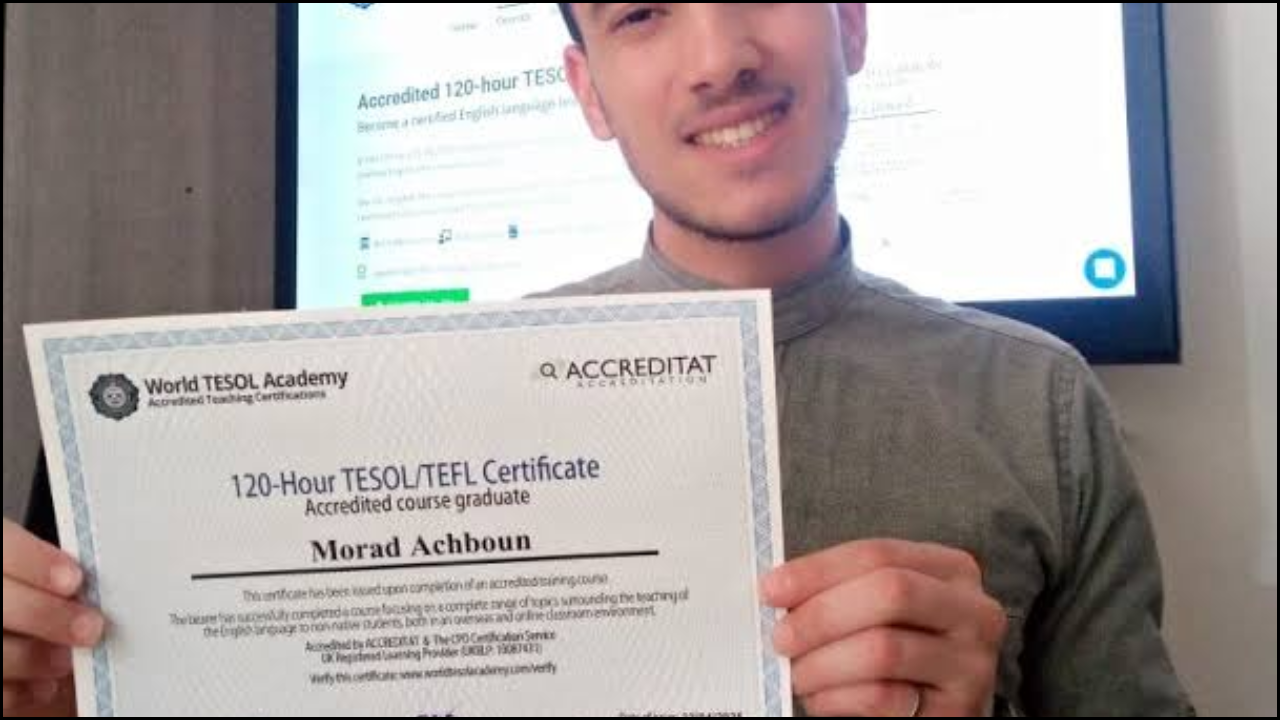
A 100-hour TEFL course offers an essential foundation for individuals who aspire to teach English as a foreign language. The course focuses on practical teaching skills, language awareness, and classroom management. A 100-hour program is ideal for beginners who wish to start teaching abroad or online with a solid understanding of the basics. It provides flexibility, affordability, and comprehensive content designed to build both knowledge and confidence.
Table of Contents
1. Course Overview
A 100-hour TEFL course introduces learners to the core principles of English teaching. It balances theoretical understanding with practical strategies. Many programs are offered online, allowing learners to complete the course at their own pace.
Key highlights include:
- Focus on essential grammar and teaching methods.
- Preparation for real-world classroom challenges.
- Access to tutor support and interactive learning modules.
- Assessment through quizzes, assignments, or final tests.
2. Core Modules of a 100-Hour TEFL Course
The structure of a TEFL course is carefully designed to cover all major aspects of English language teaching.
| Module | Description |
|---|---|
| Introduction to TEFL | Overview of English teaching, student demographics, and global demand for TEFL teachers. |
| Grammar Awareness | Understanding key grammar concepts, sentence structure, tenses, and parts of speech. |
| Lesson Planning | Techniques for creating effective, engaging, and adaptable lesson plans. |
| Classroom Management | Strategies for maintaining discipline and creating a positive learning environment. |
| Teaching Skills | Development of reading, writing, listening, and speaking skills through engaging activities. |
| Phonology and Pronunciation | Understanding of sounds, stress, intonation, and pronunciation correction methods. |
| Teaching Vocabulary | Effective ways to introduce, practice, and review new vocabulary. |
| Error Correction and Feedback | Methods for identifying and addressing student errors constructively. |
| Testing and Assessment | Designing quizzes and evaluating student progress. |
| Cultural Awareness | Adapting to cultural differences and diverse classroom dynamics. |
3. Practical Training and Teaching Practice
Although many 100-hour courses are theoretical, some programs include optional teaching practice. This helps new teachers gain firsthand classroom experience.
Practical elements include:
- Virtual teaching simulations.
- Peer feedback sessions.
- Recorded teaching demonstrations.
- Lesson planning workshops.
- Observation of real ESL classes (in some accredited programs).
4. Grammar and Language Awareness
Grammar plays a critical role in a TEFL course. A teacher must know how to explain concepts in simple, clear terms for non-native speakers.
Key grammar areas covered:
- Parts of speech (nouns, verbs, adjectives, adverbs).
- Sentence construction.
- Verb tenses and their usage.
- Prepositions and conjunctions.
- Common grammar mistakes and correction techniques.
5. Teaching Methodologies
A 100-hour TEFL course introduces several teaching methods that can be used in different classroom environments.
| Methodology | Key Features |
|---|---|
| Communicative Language Teaching (CLT) | Focus on communication and real-life conversation. |
| Task-Based Learning (TBL) | Use of practical tasks to enhance student participation. |
| Direct Method | Teaching entirely in English without translation. |
| Grammar-Translation Method | Comparison of English grammar with the learner’s native language. |
| Audio-Lingual Method | Emphasis on repetition, drills, and pronunciation. |
6. Lesson Planning Techniques
Effective lesson planning ensures smooth classroom sessions and measurable outcomes.
Essential components include:
- Lesson objectives: Clearly defined learning goals.
- Warm-up activities: Engaging introductions to new topics.
- Presentation stage: Teaching new language structures.
- Practice stage: Guided exercises and group work.
- Production stage: Students use the new language freely.
- Wrap-up: Review and feedback session.
7. Assessment and Evaluation
A 100-hour TEFL course includes continuous assessment to track progress.
Types of evaluation:
- Multiple-choice quizzes after each module.
- Written assignments or lesson plan submissions.
- Final exam covering grammar and methodology.
- Optional teaching practicum evaluation.
8. Accreditation and Certification
Accreditation ensures that the course meets international teaching standards. A recognized TEFL certificate adds credibility when applying for jobs abroad.
Key points:
- Choose courses accredited by recognized bodies such as the Accreditation Council for TESOL Distance Education Courses (ACTDEC) or Ofqual.
- Accredited certificates are accepted globally by employers.
- Some employers prefer certificates that include practical training.
9. Duration and Study Flexibility
The 100-hour TEFL course is designed for busy learners who want flexibility.
Typical structure:
- Self-paced learning, often completed within 4–8 weeks.
- Modules available 24/7 online.
- Optional tutor support for guidance and feedback.
- Downloadable resources and study materials.
10. Career Opportunities After a 100-Hour TEFL Course
A 100-hour certificate allows entry into teaching roles, especially in online tutoring and volunteer programs.
| Job Option | Description |
|---|---|
| Online English Tutor | Teaching non-native speakers through platforms like Preply or Cambly. |
| Volunteer English Teacher | Working with NGOs or local communities abroad. |
| Assistant English Teacher | Supporting lead teachers in language schools. |
| Private Tutor | Conducting one-on-one lessons with students. |
11. Limitations of a 100-Hour TEFL Course
While the 100-hour TEFL is an excellent starting point, it may have some limitations compared to longer programs.
Potential drawbacks:
- Not always sufficient for higher-paying jobs.
- Some employers require a 120-hour minimum certification.
- Limited in-depth focus on advanced teaching techniques.
- May not include live classroom practice.
12. How to Choose the Right 100-Hour TEFL Course
Selecting the right course involves considering personal goals, budget, and accreditation.
Factors to evaluate:
- Accreditation status.
- Course content and practical components.
- Flexibility of study schedule.
- Availability of tutor feedback.
- Post-completion job assistance.
Final Analysis
A 100-hour TEFL course serves as an excellent introduction for aspiring English teachers. The course builds fundamental teaching skills, improves grammar knowledge, and enhances classroom confidence. While it may not meet the requirements of all international employers, it remains an ideal first step toward a rewarding TEFL career. For those new to teaching or planning short-term volunteer work, this certification offers a valuable and affordable foundation for global opportunities.