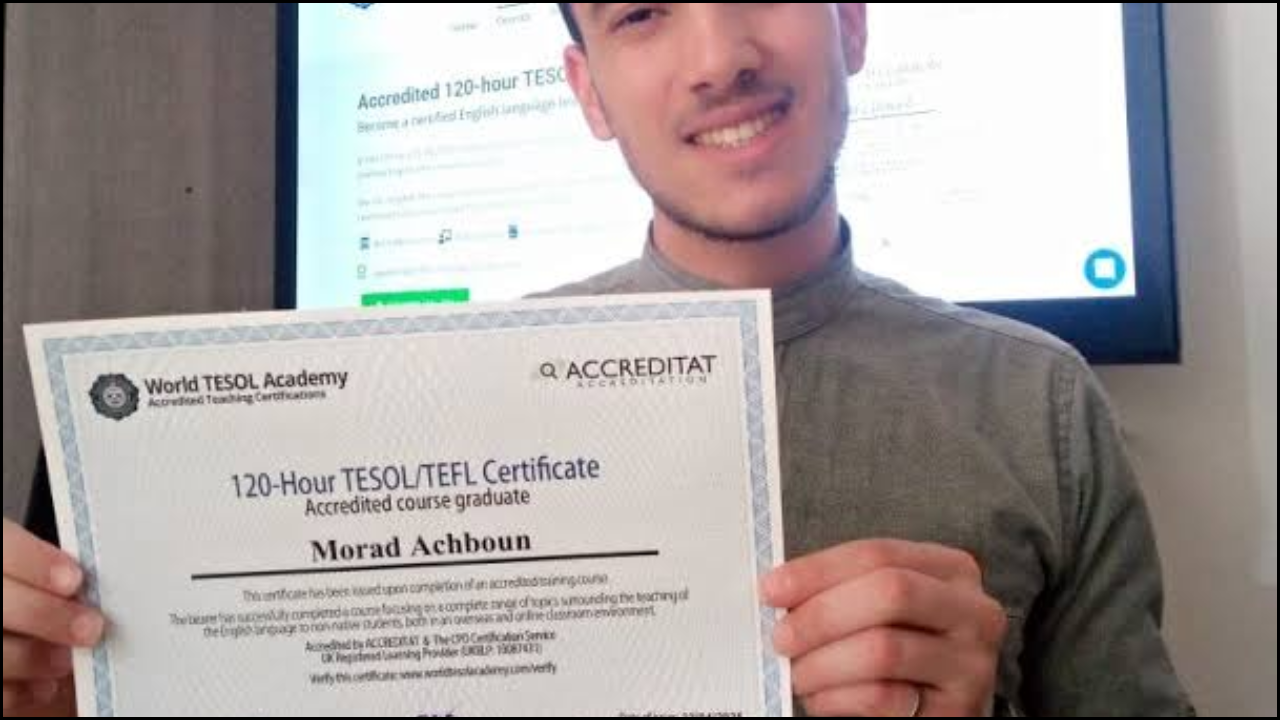
A personal tutor in TEFL training provides valuable guidance, feedback, and motivation throughout the learning journey. TEFL (Teaching English as a Foreign Language) courses often involve complex topics like grammar, phonetics, lesson planning, and teaching methodology. A personal tutor helps learners understand these concepts deeply while boosting their confidence and readiness to teach. Individualized mentoring transforms the learning experience from a self-paced course into a structured, supportive, and interactive process.
Table of Contents
1. Personal Guidance and Support
A personal tutor ensures learners never feel lost or confused during their TEFL course. Personalized assistance makes studying easier and more effective.
Key benefits include:
- Direct answers to doubts and questions.
- Step-by-step explanations for difficult topics.
- Encouragement and motivation during challenging lessons.
- Clear direction on how to complete assignments or assessments.
2. Enhanced Understanding of Teaching Concepts
TEFL training covers essential teaching methods, grammar rules, and classroom management strategies. A tutor helps learners go beyond memorization to real comprehension.
Tutor contributions include:
- Simplifying complex grammar structures.
- Demonstrating how to apply theory in real classrooms.
- Explaining the reasoning behind different teaching techniques.
- Providing relevant examples from real-world teaching scenarios.
3. Constructive Feedback on Assignments
Constructive feedback helps learners identify their strengths and areas for improvement. Tutors review lesson plans, written tasks, and teaching exercises to offer meaningful advice.
| Area of Feedback | How the Tutor Helps |
|---|---|
| Lesson Planning | Suggests improvements in objectives, timing, and activity sequencing. |
| Grammar Exercises | Highlights errors and provides detailed corrections. |
| Teaching Practice | Gives insights on voice tone, clarity, and engagement techniques. |
| Written Assignments | Offers stylistic and content-based feedback for professional writing. |
4. Motivation and Accountability
Self-paced online courses can sometimes feel isolating. A personal tutor acts as a motivator and accountability partner, ensuring consistent progress.
Positive effects include:
- Regular check-ins that keep learners on track.
- Encouragement during slow progress or setbacks.
- Recognition of achievements and milestones.
- Increased discipline and study consistency.
5. Personalized Learning Pace
Every learner has a different learning style and speed. A tutor customizes the pace and approach based on the learner’s needs.
Personalization advantages:
- Focus on weaker areas such as grammar or phonology.
- Extra practice for difficult modules.
- Adjusted schedules for working professionals.
- Tailored study materials for specific teaching goals.
6. Real-World Teaching Insights
Many TEFL tutors are experienced educators who have taught English in various countries. Their practical insights help learners understand what to expect in real classrooms.
| Topic | Tutor’s Real-World Guidance |
|---|---|
| Cultural Sensitivity | Understanding classroom etiquette across different countries. |
| Student Behavior | Managing diverse groups of learners effectively. |
| Teaching Challenges | Handling unexpected classroom situations with confidence. |
| Adaptability | Modifying teaching style to suit students’ proficiency levels. |
7. Improved Lesson Planning Skills
A personal tutor helps learners master the art of lesson planning—a key skill for every teacher. Effective lesson design ensures smoother and more engaging classes.
Tutor assistance includes:
- Helping define clear learning objectives.
- Demonstrating how to balance grammar and communication activities.
- Offering templates and frameworks for planning.
- Reviewing drafts to ensure logical flow and timing.
8. Confidence Building Through Practice
Teaching confidence grows when learners receive consistent feedback and support. A tutor encourages participation, practice, and self-improvement.
Confidence-building activities include:
- Mock teaching sessions with tutor feedback.
- Encouragement to experiment with new techniques.
- Reflection exercises to track personal growth.
- Constructive criticism that improves performance.
9. Better Preparation for Job Opportunities
A personal tutor not only focuses on academic development but also prepares learners for real-world employment.
| Area of Preparation | Tutor’s Role |
|---|---|
| Resume Writing | Helps tailor CVs for teaching positions. |
| Interview Practice | Conducts mock interviews to build confidence. |
| Job Search Guidance | Suggests platforms and countries for TEFL job applications. |
| Cultural Preparation | Provides insights into adapting to different work environments. |
10. Ongoing Mentorship and Professional Development
Many tutors continue to mentor learners even after course completion. This ongoing relationship offers professional guidance and emotional support during the early teaching stages.
Benefits of post-course mentorship:
- Continued advice on classroom challenges.
- Access to new teaching resources.
- Encouragement to pursue advanced TEFL certifications.
- Connection to a professional teaching network.
11. Increased Course Completion Rates
Learners with tutors are more likely to complete their TEFL training successfully. Regular communication and feedback create accountability and engagement.
Reasons for higher success rates:
- Prompt resolution of learning difficulties.
- Emotional encouragement during tough modules.
- Personalized progress tracking and reminders.
- Sense of partnership in achieving goals.
12. Emotional Support During Training
Learning to teach can be emotionally demanding. A tutor provides reassurance and support, making the process less stressful and more enjoyable.
Emotional benefits:
- Reduced anxiety during assessments.
- Positive reinforcement after mistakes.
- Empathy and understanding from an experienced teacher.
- Encouragement to stay motivated and confident.
13. Stronger Professional Skills
A personal tutor helps learners develop essential soft skills that enhance their professional identity.
| Skill | Tutor’s Contribution |
|---|---|
| Communication | Improves clarity and confidence in speaking. |
| Critical Thinking | Encourages problem-solving during lesson planning. |
| Time Management | Helps balance study schedules and teaching goals. |
| Adaptability | Prepares learners for varied classroom dynamics. |
14. Access to Exclusive Teaching Resources
Tutors often share materials that are not part of standard TEFL course content. These resources help learners expand their knowledge and teaching toolkit.
Additional resources may include:
- Classroom activity templates.
- Grammar reference charts.
- Lesson planning software recommendations.
- Reading lists and research papers on ESL methods.
15. Overall Impact on Learning Experience
A tutor transforms a standard online course into an interactive mentorship experience. Learners gain knowledge, confidence, and emotional stability that self-paced courses may not provide.
Overall advantages:
- Faster progress through personalized help.
- Stronger connection to real teaching environments.
- Greater self-assurance in teaching abilities.
- Lifelong learning habits built through mentorship.
End Notes
A personal tutor in TEFL training is not just a guide but a mentor who shapes both teaching ability and confidence. Personalized attention, real-world insights, and emotional support turn a simple certification into a transformative learning journey. With a tutor’s help, aspiring teachers become better prepared to face classroom challenges, connect with students globally, and begin their international teaching careers with competence and assurance.