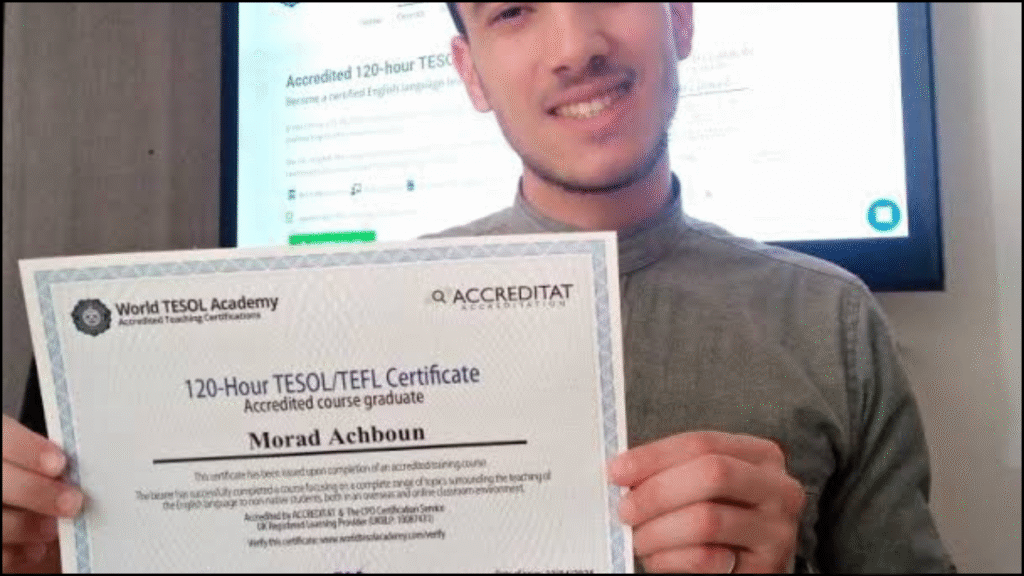
An online TEFL (Teaching English as a Foreign Language) certificate has become one of the most popular ways for aspiring teachers to qualify for global English teaching jobs. With remote learning platforms expanding and international schools accepting digital certifications, more people are turning to online TEFL courses for flexibility and affordability. However, while these programs open many doors, they also come with certain limitations. Understanding both the advantages and disadvantages helps in deciding whether an online TEFL certificate is truly worth it for your goals and teaching ambitions.
Table of Contents
1. Understanding Online TEFL Certification
An online TEFL certificate is a qualification earned through web-based training that prepares individuals to teach English to non-native speakers.
- Course Duration: Usually ranges from 120 to 300 hours, depending on the provider.
- Learning Format: Self-paced modules, video tutorials, assessments, and teaching simulations.
- Goal: To equip future teachers with language awareness, classroom management, and lesson-planning skills.
- Accessibility: Courses can be completed entirely from home using a computer or tablet.
Fact: Most employers recognize 120-hour accredited online TEFL certificates as the minimum requirement for English teaching positions.
2. Advantages of an Online TEFL Certificate
Online TEFL certification offers multiple benefits that make it attractive to new educators and travelers alike.
a. Flexibility and Convenience
- Study Anywhere: Learners can complete lessons from home, at a café, or while traveling.
- Self-Paced Learning: Students control when and how fast they complete modules.
- Work-Life Balance: Ideal for working professionals or parents seeking career change.
- No Relocation Required: No need to attend physical classes or travel to training centers.
Example: Many teachers complete their certification while working full-time or preparing to move abroad.
b. Affordability Compared to In-Person Courses
- Lower Tuition: Online courses cost significantly less than CELTA or in-person TEFL programs.
- No Travel or Accommodation Costs: All materials are digital.
- Payment Flexibility: Most providers offer installment plans or seasonal discounts.
- Value for Money: Many online TEFL programs include lifetime job support and resource access.
Tip: A legitimate 120-hour accredited TEFL course typically ranges between $250–$600.
c. Access to Global Opportunities
- Wider Job Market: Online TEFL certificates are accepted by schools in Asia, Europe, and Latin America.
- Online Teaching Options: Graduates can teach English remotely through platforms like Cambly, Preply, or VIPKid.
- Entry into International Schools: A TEFL qualification adds credibility when applying abroad.
Fact: Over 80% of online TEFL graduates find employment within 3 months of completing their course.
d. Development of Real Teaching Skills
- Comprehensive Modules: Cover grammar, phonetics, lesson planning, and student assessment.
- Practical Assignments: Simulated lessons and teaching tasks prepare teachers for real classrooms.
- Confidence Building: Exposure to global teaching methodologies boosts communication and leadership skills.
- Cultural Awareness: Courses often include content on cross-cultural interaction and classroom diversity.
e. Job Support and Career Services
- Resume Building: Guidance on writing TEFL-specific resumes and cover letters.
- Interview Preparation: Training on country-specific interview expectations.
- Placement Assistance: Some programs offer direct links to partner schools or recruiters.
- Ongoing Mentorship: Alumni networks provide community support after graduation.
Reality Check: Strong job support differentiates high-quality TEFL programs from generic online options.
3. Disadvantages of an Online TEFL Certificate
While convenient, online TEFL certification is not without drawbacks. Knowing the potential downsides helps set realistic expectations.
a. Lack of In-Person Teaching Practice
- Limited Hands-On Experience: Online programs may not include real classroom practice (practicum).
- Confidence Gap: New teachers might feel unprepared for managing large or diverse classrooms.
- Employer Preference: Some schools prefer candidates with observed teaching experience.
- Alternative: Look for programs offering virtual teaching practice or add-on practicum modules.
b. Quality Varies Between Providers
- Inconsistent Standards: Not all online TEFL programs maintain professional teaching standards.
- Fake Accreditation: Some claim accreditation from unverified organizations.
- Outdated Material: Cheaper courses may rely on old resources or minimal tutor feedback.
- Employer Skepticism: Certain schools only accept certificates from recognized bodies like Ofqual or TQUK.
Tip: Always verify the accrediting body and read independent reviews before enrolling.
c. Self-Motivation Is Essential
- No Fixed Schedule: Learners must manage their own study time.
- Procrastination Risk: Without classroom accountability, progress may slow.
- Limited Peer Interaction: Online learning lacks the social energy of face-to-face classes.
- Solution: Setting weekly goals and joining study groups keeps motivation strong.
d. Limited Networking Opportunities
- Fewer Connections: In-person TEFL trainees often meet employers and fellow teachers during training.
- Virtual Isolation: Online learners must actively seek networking opportunities through alumni groups or forums.
- Impact: Building global teaching contacts takes more effort after course completion.
e. Not Ideal for Everyone
- Learning Style Differences: Some people absorb lessons better through physical classroom settings.
- Technical Challenges: Stable internet and good devices are essential for course completion.
- Minimal Real-Time Interaction: Most online TEFL programs rely on recorded materials rather than live teaching sessions.
Advice: Learners who thrive in structured, interactive environments may prefer blended or in-person TEFL options.
4. Online vs In-Person TEFL: A Comparison
| Aspect | Online TEFL | In-Person TEFL / CELTA |
|---|---|---|
| Cost | $250–$600 | $1,200–$2,500 |
| Flexibility | Study anytime, anywhere | Fixed schedule, classroom-based |
| Teaching Practice | Limited or virtual | Extensive in-class practicum |
| Tutor Interaction | Email or forum-based | Direct classroom feedback |
| Networking | Online communities | Real-life peer and recruiter access |
| Recognition | High if accredited | Globally prestigious (CELTA/TESOL) |
| Ideal For | Self-motivated learners or remote workers | Career teachers or academic professionals |
5. How Employers View Online TEFL Certificates
The perception of online TEFL certificates has improved significantly in recent years.
- Widely Accepted: Accredited 120-hour online TEFL certificates are recognized by most international schools.
- Preferred by Online Platforms: Companies hiring virtual English tutors often require online TEFL certification.
- Country-Specific Standards: Some countries (e.g., South Korea, UAE) prefer in-person or advanced credentials.
- Verification Process: Employers check certificate authenticity through issuing institutions.
Fact: As online education expands globally, the line between traditional and online TEFL qualifications continues to blur.
6. Tips for Choosing a Worthwhile Online TEFL Program
- Check Accreditation: Ensure the provider is verified by a reputable body.
- Confirm Minimum Hours: Choose a course of at least 120 hours.
- Look for Practicum Options: Select programs offering live teaching practice or observation tasks.
- Assess Tutor Support: Courses with real-time guidance offer better outcomes.
- Read Student Reviews: Feedback from alumni reveals the program’s true value.
- Evaluate Career Services: Job placement and interview support add long-term benefits.
7. Who Benefits Most from an Online TEFL Certificate
| Profile Type | Why It Works |
|---|---|
| Digital Nomads | Flexibility to earn certification while traveling |
| Career Changers | An affordable way to enter education without a teaching degree |
| Recent Graduates | Quick pathway to international work experience |
| Online Teachers | Meets platform requirements for remote teaching |
| Retirees & Part-Timers | Offers flexible, low-stress teaching opportunities |
8. Key Takeaways
- Accreditation and credibility determine whether an online TEFL certificate will open international opportunities.
- Self-discipline and motivation are essential for completing online learning successfully.
- Practical teaching experience, even virtual, increases employability and confidence.
- Career support and job placement turn certification into real teaching prospects.
- Personal learning style should match the format—online courses suit independent learners best.
Wrapping Up
An online TEFL certificate is absolutely worth it for individuals seeking flexibility, affordability, and access to global English teaching jobs. When properly accredited, it holds genuine value in the international job market and provides a strong foundation for both in-person and online teaching careers. However, its effectiveness depends on your effort, the provider’s quality, and your readiness to adapt to real-world classrooms. For many aspiring educators, an online TEFL certificate is not just a qualification—it is the beginning of a rewarding global teaching journey.