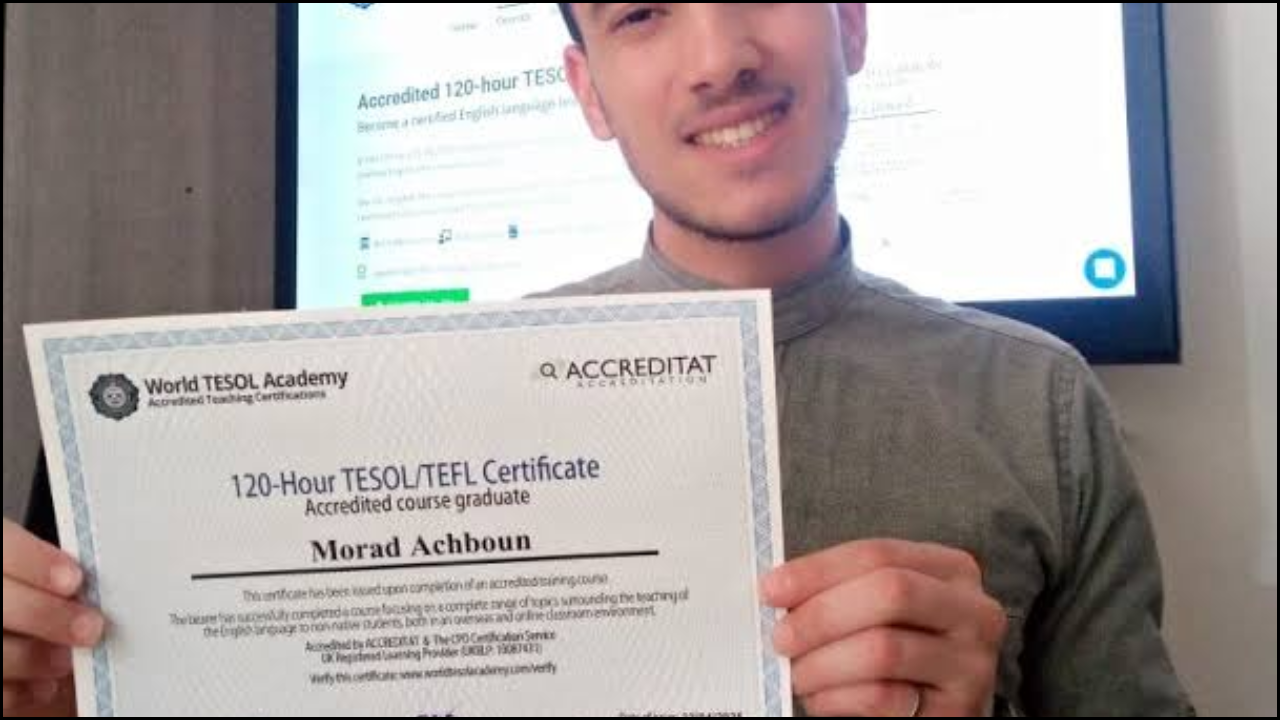
A TEFL (Teaching English as a Foreign Language) certification opens doors to more than just global teaching opportunities—it transforms both career direction and personal confidence. For many professionals, TEFL is a turning point that enhances communication, adaptability, and leadership skills while allowing them to explore the world. Whether used as a full-time career or as a bridge to international experience, TEFL equips individuals with versatile skills that benefit them in nearly every field.
Table of Contents
1. Understanding the Power of TEFL Certification
A TEFL qualification provides the essential training and credibility to teach English abroad or online.
- Global Acceptance: TEFL is recognized by schools, language centers, and online platforms worldwide.
- Practical Knowledge: The certification covers grammar instruction, lesson planning, and classroom management.
- Confidence Booster: It prepares educators to face real-life teaching situations with assurance.
- Career Gateway: Many entry-level teaching positions require TEFL certification as a minimum qualification.
| TEFL Course Type | Duration | Key Features | Ideal For |
|---|---|---|---|
| Online TEFL Course | 120–150 hours | Self-paced, flexible schedule | Working professionals and travelers |
| In-person TEFL Course | 4–6 weeks | Classroom observation and teaching practice | Beginners seeking real-world exposure |
| Advanced TEFL / CELTA | 160+ hours | Supervised teaching, feedback, and advanced methodology | Experienced or long-term teachers |
2. Building a Global Career Path
TEFL provides access to an international job market and allows professionals to work in diverse environments.
- Wide Range of Destinations: Countries like Japan, South Korea, China, Vietnam, and Spain consistently seek qualified English teachers.
- Career Stability: Growing global demand for English ensures continuous job availability.
- Flexible Career Choices: TEFL teachers can choose classroom teaching, online tutoring, or business English instruction.
- Professional Mobility: Experience gained abroad strengthens resumes for both education and corporate roles.
| Region | Average Monthly Salary (USD) | Job Demand | Popular Programs |
|---|---|---|---|
| Asia | 1,200–3,000 | Very High | EPIK (Korea), JET (Japan), public schools |
| Europe | 900–2,000 | Moderate | TAPIF (France), private language centers |
| Latin America | 700–1,500 | Growing | Volunteer and private institutions |
| Middle East | 2,000–4,000 | High | Government schools and universities |
3. Enhancing Transferable Professional Skills
TEFL training develops essential skills that apply beyond the classroom.
- Communication: Teachers learn to explain complex ideas clearly and effectively.
- Leadership: Managing a classroom builds authority and decision-making confidence.
- Cultural Awareness: Working abroad fosters empathy and global understanding.
- Problem-Solving: Teachers adapt lessons to suit different learning levels and situations.
- Creativity: Engaging students requires innovative lesson planning and presentation.
These skills strengthen resumes for future roles in management, training, customer service, and international business.
4. Increasing Self-Confidence Through Teaching
Confidence grows naturally through the experience of teaching others.
- Public Speaking Practice: Daily lessons develop comfort in addressing groups.
- Overcoming Challenges: Handling diverse classrooms builds emotional resilience.
- Cultural Immersion: Navigating new traditions and languages enhances adaptability.
- Positive Impact: Helping students achieve language goals creates a sense of accomplishment.
- Professional Identity: Being viewed as a mentor or educator increases self-esteem.
Each successful class reinforces belief in one’s ability to communicate, lead, and inspire others.
5. Opening Doors to New Career Opportunities
TEFL certification doesn’t limit professionals to teaching alone—it expands career horizons.
| Career Path | Description | Why TEFL Helps |
|---|---|---|
| Education Management | Roles like academic coordinator or program director | Leadership and classroom experience |
| Corporate Training | Teaching English to business professionals | Communication and intercultural skills |
| Content Creation / Editing | Writing educational materials or online courses | Language expertise and clarity |
| Online Tutoring | Virtual English lessons from anywhere in the world | Flexibility and global student base |
| Travel & Tourism | Working in cross-cultural environments | Interpersonal and presentation skills |
Professionals often find that TEFL experience leads to promotions, entrepreneurial ventures, or remote work opportunities.
6. Developing Cultural Intelligence
Cultural exposure is one of the most transformative aspects of a TEFL career.
- Immersive Living: Teachers experience daily life in new environments, not just as tourists.
- Cross-Cultural Communication: Understanding body language, etiquette, and traditions becomes second nature.
- Global Networking: Working with international colleagues creates lifelong connections.
- Adaptability: Exposure to multiple viewpoints encourages open-mindedness.
- Empathy: Living among diverse communities deepens sensitivity toward others.
Cultural intelligence developed through TEFL benefits not only career growth but also personal relationships and global understanding.
7. Financial and Lifestyle Advantages
While salaries differ by country, TEFL often supports a comfortable lifestyle with additional benefits.
| Country | Average Monthly Salary (USD) | Typical Perks | Living Costs |
|---|---|---|---|
| South Korea | 1,800–2,800 | Free housing, airfare, and health insurance | Moderate |
| China | 1,500–2,600 | Accommodation, visa sponsorship | Low to moderate |
| Japan | 2,000–3,000 | Allowances, paid leave, cultural benefits | High |
| Thailand | 1,000–1,500 | Housing assistance, visa help | Low |
| Vietnam | 1,200–2,000 | Bonus pay, low living costs | Low |
With smart budgeting, many teachers save money, travel frequently, or even fund further education.
8. Overcoming Personal Barriers
TEFL challenges individuals to grow beyond comfort zones and self-doubt.
- Facing Fear of Public Speaking: Teaching transforms nervous speakers into confident presenters.
- Adapting to Change: Living abroad encourages flexibility and emotional strength.
- Building Independence: Managing finances, travel, and cultural adaptation strengthens self-reliance.
- Improving Emotional Intelligence: Handling diverse learners enhances empathy and patience.
- Developing Professional Discipline: Regular lesson planning and assessments promote organization.
This personal growth is as valuable as the professional experience gained abroad.
9. Lifelong Learning and Self-Improvement
TEFL inspires continuous personal and intellectual development.
- Language Learning: Teachers often learn the local language or improve their linguistic understanding.
- Cultural Exploration: Every new teaching destination provides unique perspectives on education.
- Networking: Collaboration with teachers worldwide creates long-term learning communities.
- Professional Development: Many teachers pursue advanced certifications or master’s degrees in education.
- Self-Reflection: Teaching encourages awareness of one’s strengths, weaknesses, and goals.
Each lesson taught also becomes a lesson learned about leadership, empathy, and global citizenship.
10. Inspiring Confidence Beyond the Classroom
Confidence built through TEFL extends to all areas of life.
- Interview Success: Improved communication skills strengthen job performance in future roles.
- Global Perspective: Exposure to international systems enhances adaptability in any profession.
- Empowered Decision-Making: Teachers gain the courage to take on challenges or career shifts.
- Stronger Personal Identity: Living abroad fosters self-awareness and independence.
- Sense of Purpose: Guiding students toward success gives teachers a fulfilling sense of contribution.
The Bottom Line
A TEFL certification is far more than a teaching qualification—it is a transformation in career, mindset, and confidence. The experiences gained from teaching English abroad reshape personal perspectives, professional ambitions, and global understanding. Through communication, cultural exchange, and leadership, individuals emerge as more capable, empathetic, and self-assured professionals. TEFL not only builds a meaningful career but also cultivates the confidence to thrive anywhere in the world.