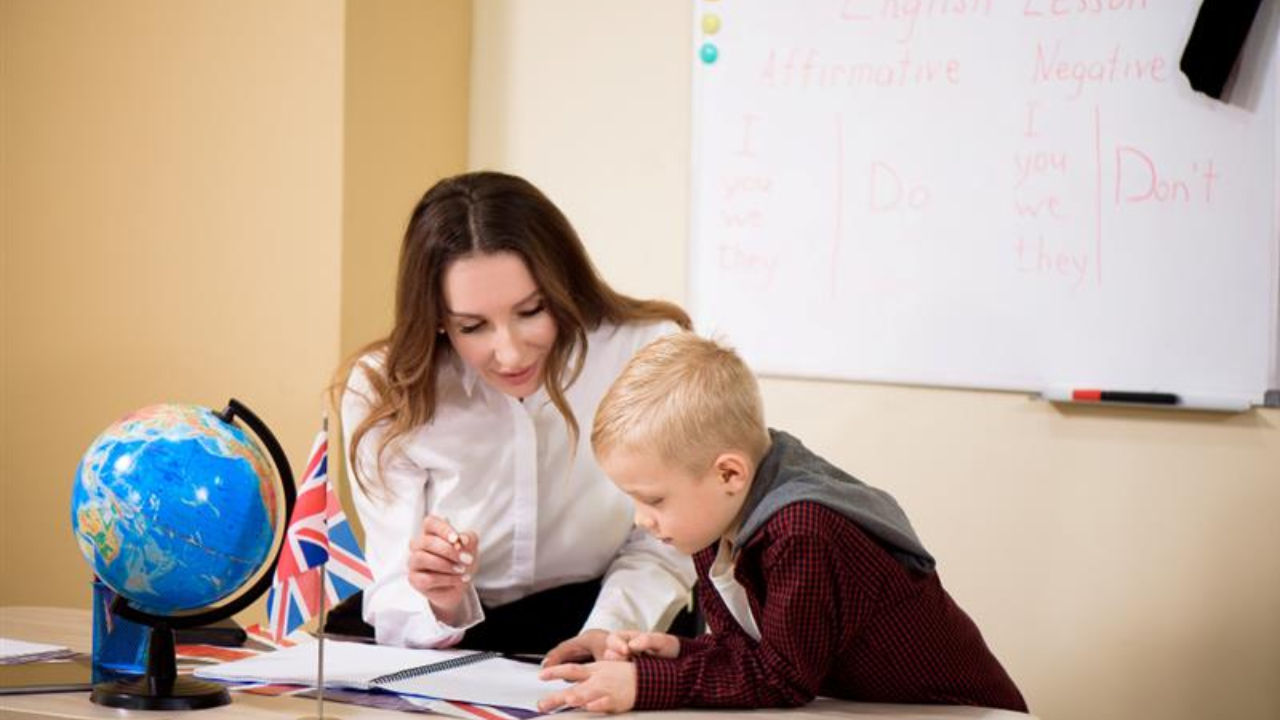
Artificial Intelligence (AI) is rapidly transforming many industries, and education is no exception. In the world of TEFL (Teaching English as a Foreign Language), AI is creating new opportunities for personalized learning, efficient teaching, and better assessment methods. Teachers and institutions are exploring AI-driven tools to enhance student engagement, adapt lesson plans, and measure learning outcomes more accurately.
The integration of AI into TEFL is not just a technological upgrade; it is reshaping the way English is taught and learned. By combining human expertise with AI capabilities, educators can offer highly targeted instruction while saving time and resources. This development is particularly relevant in 2026, where the global demand for English teachers continues to grow alongside technological advancement.
Table of Contents
Overview of AI in TEFL
| Feature | Impact on Teaching and Learning |
|---|---|
| Personalized Learning | Adapts lessons to individual student needs and pace |
| Teacher Assistance | Automates grading, progress tracking, and lesson planning |
| Language Assessment | Provides accurate feedback on grammar, pronunciation, and vocabulary |
| Global Accessibility | Enables remote learning and virtual tutor interactions |
| Adaptive Feedback | Adjusts exercises in real-time based on student performance |
AI-Powered Personalized Learning
AI enables teachers to create highly customized learning experiences for each student. Algorithms analyze learners’ strengths, weaknesses, and learning patterns, suggesting exercises and content tailored to individual needs. This approach is especially useful in classrooms with diverse proficiency levels, where traditional teaching methods may struggle to engage everyone effectively.
Moreover, AI can adapt in real-time to students’ progress, providing immediate feedback and adjusting lesson difficulty. Language apps and online platforms are increasingly using AI-driven chatbots, virtual tutors, and interactive exercises to replicate one-on-one instruction, helping students learn at their own pace without relying solely on teacher-led sessions.
Enhancing Teacher Efficiency
AI is transforming the administrative and planning aspects of TEFL. Tasks like grading, monitoring student progress, and creating lesson materials can now be automated or streamlined with AI tools. This frees up teachers to focus on more interactive and creative aspects of teaching, such as discussions, debates, and cultural immersion activities.
Additionally, AI can assist teachers in tracking student performance trends over time, identifying areas that need reinforcement, and suggesting new approaches. By reducing repetitive work, educators can dedicate more time to meaningful student engagement and curriculum improvement, ensuring higher teaching quality overall.
Improving Language Assessment
Assessment is a critical component of TEFL, and AI is introducing more accurate and dynamic evaluation methods. AI systems can analyze written and spoken responses, detecting grammar, pronunciation, and vocabulary use with high precision. This allows for timely feedback and targeted improvement strategies.
Standardized testing and continuous assessment can also benefit from AI analytics. Teachers can monitor class-wide patterns, detect common challenges, and adjust instruction accordingly. These insights help institutions improve curriculum effectiveness and student outcomes in ways that were previously difficult to achieve.
Expanding Global Learning Opportunities
AI-driven platforms make English learning more accessible worldwide. Students can connect with virtual tutors, participate in AI-assisted conversations, and access adaptive learning materials regardless of location. This democratization of learning allows people from remote or underserved regions to receive high-quality English education, reducing educational inequality.
Moreover, AI facilitates cross-cultural communication by providing real-time translation support and adaptive language practice. Teachers can integrate these tools into lessons to enhance students’ global awareness and real-world communication skills.
Preparing for the Future of TEFL
The integration of AI in TEFL is still evolving, and educators must stay informed about new developments. Professional development in AI tools, digital literacy, and instructional design will become essential for teachers to remain effective in 2026 and beyond. Institutions investing in AI integration are likely to lead in innovative teaching practices and student satisfaction.
By embracing AI responsibly, TEFL educators can combine human insight with technological efficiency, creating richer learning experiences and better preparing students for a globalized world.
Final Thoughts
Artificial Intelligence is no longer a futuristic concept in TEFL—it is actively shaping classrooms, curricula, and language learning experiences. From personalized instruction to efficient assessment and global accessibility, AI is enhancing every aspect of English teaching. Teachers who leverage AI thoughtfully will find new opportunities to improve learning outcomes while enriching their professional practice.
FAQ
Q: Can AI replace TEFL teachers entirely?
A: No, AI is a support tool, not a replacement; human guidance remains crucial.
Q: Are AI-based English learning platforms effective for beginners?
A: Yes, AI platforms can adapt lessons to beginner levels, providing personalized practice.
Q: What skills do teachers need to work with AI in TEFL?
A: Teachers should have digital literacy, AI tool familiarity, and instructional design knowledge.