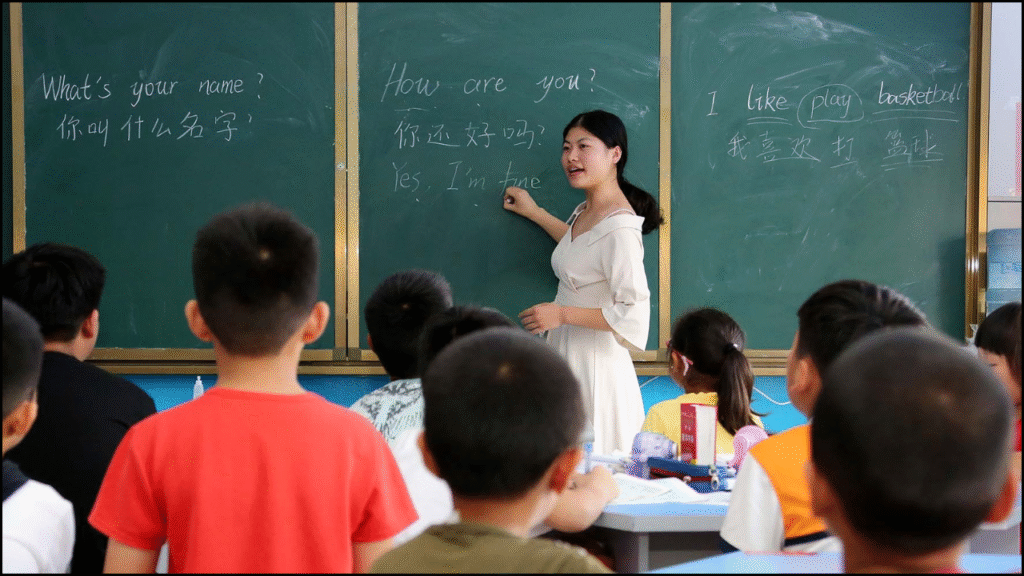
Teaching English in Asia offers one of the most rewarding ways to explore a new culture while developing a meaningful career. Countries like Japan, South Korea, China, Thailand, and Vietnam have a growing demand for skilled English teachers, making Asia a hotspot for TEFL-certified educators. Understanding key factors such as qualifications, culture, cost of living, and classroom expectations is essential before embarking on this journey.
Table of Contents
1. Understanding the Popular Asian Destinations for English Teachers
Asia presents a wide range of opportunities for English teachers, each country offering a unique teaching environment, lifestyle, and salary structure.
| Country | Average Monthly Salary (USD) | Perks Offered | Typical Work Hours | Preferred Certificate |
|---|---|---|---|---|
| Japan | 2,000–3,000 | Flight allowance, housing stipend, health insurance | 25–30 hours | TEFL or CELTA |
| South Korea | 1,800–2,800 | Free housing, paid airfare, health benefits | 25–30 hours | TEFL or TESOL |
| China | 1,500–2,600 | Free housing, visa assistance, bonuses | 20–25 hours | TEFL or TESOL |
| Thailand | 1,000–1,500 | Accommodation allowance, visa help | 20–25 hours | TEFL |
| Vietnam | 1,200–2,000 | Housing allowance, flight reimbursement | 20–25 hours | TEFL or TESOL |
2. Educational Qualifications and Requirements
Different Asian countries maintain varied requirements for foreign English teachers.
- Bachelor’s Degree: Most Asian nations require at least a bachelor’s degree for legal teaching positions.
- Teaching Certificate: A TEFL, TESOL, or CELTA certification improves job prospects significantly.
- Native English Speakers: Preference is given to applicants from countries such as the USA, UK, Canada, Australia, New Zealand, and Ireland.
- Criminal Background Check: Required for visa approval and school clearance.
- Medical Exam: Some countries, especially China and South Korea, require health documentation before issuing a work visa.
3. Cultural Expectations in the Classroom
Cultural understanding plays a vital role in classroom success.
- Respect for Hierarchy: Asian classrooms emphasize teacher authority, so maintaining professionalism is key.
- Politeness and Manners: Teachers are expected to use respectful language and avoid confrontational behavior.
- Group Learning Preference: Students often prefer cooperative activities rather than competitive exercises.
- Formality: Dress codes are usually conservative—teachers should avoid overly casual attire.
- Punctuality: Being on time is seen as a sign of respect in most Asian countries.
4. Cost of Living vs. Salary
Living expenses in Asia differ greatly between countries and cities. Teachers often enjoy a comfortable lifestyle, especially when housing or meals are provided.
| Country | Average Monthly Living Costs (USD) | Savings Potential |
|---|---|---|
| Japan | 1,500–2,000 | Moderate |
| South Korea | 1,000–1,400 | High |
| China | 800–1,200 | High |
| Thailand | 600–900 | Moderate |
| Vietnam | 700–1,000 | High |
- Urban vs. Rural: Major cities like Tokyo and Seoul are expensive, while smaller towns offer greater savings.
- Meals & Transportation: Affordable local food and public transport reduce monthly expenses.
- Accommodation: Free or subsidized housing increases savings potential.
5. Visa and Legal Process
Securing the correct visa is essential before starting work.
- Japan: Requires an Instructor Visa, usually sponsored by the school.
- South Korea: Uses an E-2 Visa for English teachers, requiring degree verification.
- China: Offers a Z Visa for foreign experts, with authentication of documents.
- Thailand: Requires a Non-Immigrant B Visa and a work permit.
- Vietnam: Uses a Work Permit supported by a business visa.
Teachers should always confirm visa requirements through official government channels or employer guidance.
6. Teaching Styles and Curriculum
Asian schools follow different teaching philosophies and curricula.
- Public Schools: Structured environment with fixed syllabi and larger classes.
- Private Language Centers: Flexible hours with smaller class sizes and a conversational English focus.
- International Schools: High-paying positions requiring teaching licenses and advanced qualifications.
- University Programs: Offer fewer teaching hours but require strong academic credentials.
Interactive lessons, storytelling, games, and cultural exchanges are popular methods to engage students in English learning.
7. Benefits and Challenges of Teaching English in Asia
| Aspect | Benefits | Challenges |
|---|---|---|
| Professional Growth | Builds global teaching experience | Adapting to new teaching systems |
| Cultural Exposure | Immersion in local traditions and festivals | Cultural misunderstandings |
| Financial Rewards | Free housing and airfare, high savings | Exchange rate fluctuations |
| Work-Life Balance | Short teaching hours, long holidays | Adjusting to different work ethics |
| Networking | Opportunities to meet global educators | Limited English-speaking colleagues |
8. Adapting to Local Lifestyles
Adjusting to Asian culture enhances both personal and professional life.
- Food Culture: Local cuisine is diverse and inexpensive; however, dietary preferences may need adjustment.
- Social Etiquette: Bowing, removing shoes indoors, and exchanging items with both hands are common customs.
- Language Barrier: Basic knowledge of the local language helps in daily communication.
- Transportation: Efficient public transport systems make commuting easy and affordable.
- Festivals & Holidays: Participation in cultural festivals such as Songkran (Thailand) or Lunar New Year (China) deepens understanding of traditions.
9. Tips for New Teachers
- Research the school’s reputation and reviews before signing a contract.
- Budget carefully for the first month before receiving your salary.
- Learn key phrases in the local language.
- Build relationships with fellow teachers and locals.
- Stay flexible and open-minded toward different teaching styles.
10. Future Opportunities After Teaching in Asia
Teaching English in Asia can lead to various long-term career options.
- Academic Advancement: Pursue roles like curriculum developer or head teacher.
- Corporate Training: Teach business English to professionals.
- Online Teaching: Transition to remote teaching with international students.
- Education Management: Move into administrative or managerial positions.
- Cultural Exchange Programs: Work with NGOs or government education projects.
Moving Forward
Teaching English in Asia provides a gateway to new cultures, personal growth, and professional advancement. Each country offers a unique mix of opportunities, challenges, and rewards. A clear understanding of cultural expectations, qualifications, and lifestyle factors ensures a smoother transition and a fulfilling teaching journey. With preparation and adaptability, Asia becomes not only a place to teach but also a region to grow, explore, and make lasting global connections.