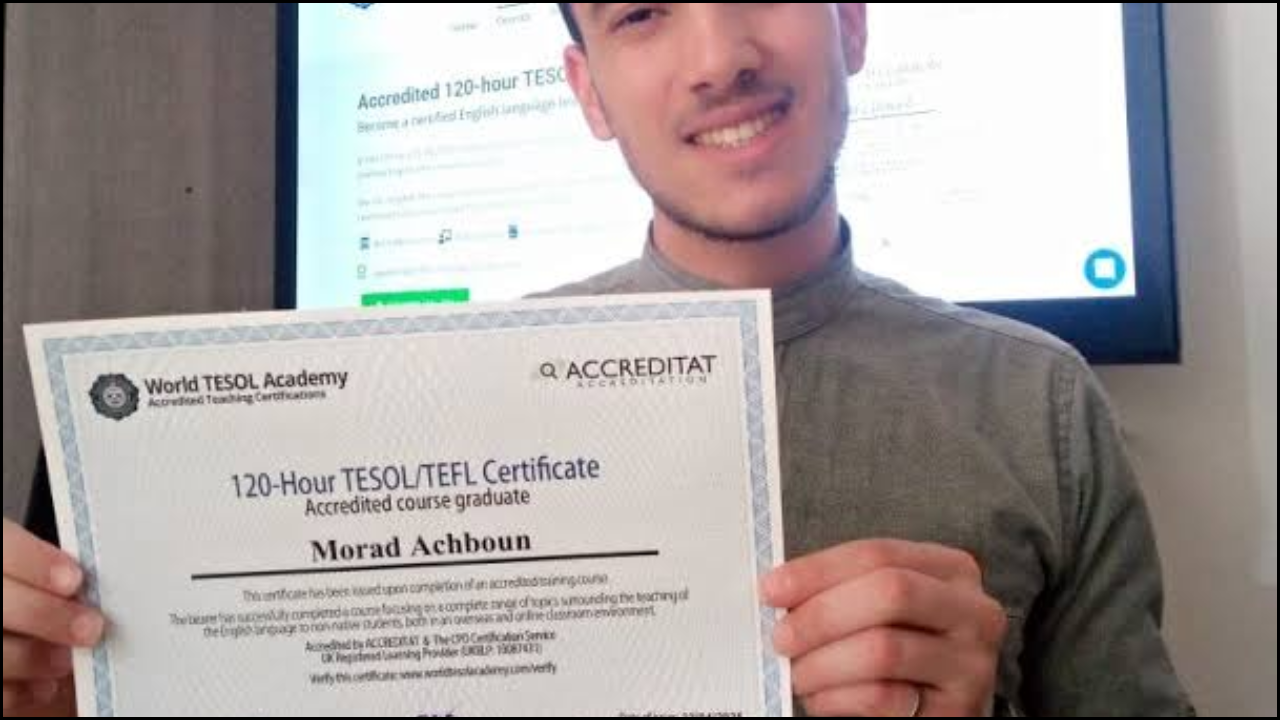
A TEFL (Teaching English as a Foreign Language) certification can open doors to exciting opportunities worldwide. However, not all TEFL programs are created equal, and choosing the right one determines the quality of your training and the value of your certificate. Before you invest your time and money, it is important to ask the right questions to ensure the program fits your goals, lifestyle, and teaching ambitions. Understanding these key factors helps you make an informed choice and sets the foundation for a successful teaching career.
Table of Contents
1. Is the Course Accredited and Internationally Recognized?
Accreditation is the first sign of a trustworthy TEFL program.
- Why It Matters: Accreditation ensures the course meets international teaching and educational standards.
- What to Check:
- Does the program hold approval from recognized bodies like Ofqual, ACCREDITAT, or TQUK?
- Is it recognized by schools and employers in the countries where you plan to teach?
- Red Flag: Courses offering 120 hours or more for an extremely low cost often lack proper accreditation.
Tip: Always verify the accrediting agency’s legitimacy through its official website.
2. How Many Hours of Training Does the Course Provide?
Course length affects both your learning depth and job eligibility.
| Course Type | Duration (Hours) | Recognition Level |
|---|---|---|
| Introductory TEFL | 40–80 | Limited job opportunities |
| Standard TEFL | 120 | Minimum requirement for most employers |
| Advanced TEFL / TESOL | 150–300 | Suitable for career advancement |
| CELTA / Trinity CertTESOL | 120–130 | Highly prestigious and globally recognized |
- Why It Matters: Most schools require at least 120 hours of certified training.
- Extra Value: Longer courses often include specialized modules like teaching young learners or business English.
3. Does the Course Include Teaching Practice (Practicum)?
Practical teaching experience strengthens your classroom confidence.
- Why It Matters: Many employers prefer candidates who have completed hands-on training or observed real classrooms.
- Options to Ask About:
- Does the course include live teaching sessions with real students?
- Are practice hours supervised by experienced trainers?
- Is the practicum in-person or conducted online?
Reality Check: Programs without teaching practice may leave you less prepared for actual classroom situations.
4. Who Are the Course Instructors and What Are Their Qualifications?
The quality of your trainers directly impacts your learning experience.
- Ask About:
- Do instructors have advanced teaching qualifications like DELTA, CELTA, or a Master’s in TESOL?
- Have they taught English abroad or online?
- Do they provide personalized feedback and mentorship?
Tip: Experienced tutors can share real-life classroom insights that go beyond theoretical lessons.
5. What Kind of Support Will I Receive During and After the Course?
Strong student support helps you stay motivated and job-ready.
- Course Support:
- Are there tutors available for questions and feedback?
- Does the platform offer technical help for online learners?
- Post-Course Support:
- Are career services, resume reviews, or interview workshops included?
- Does the provider assist with job placements abroad or online?
Reality: Programs offering continuous mentorship and alumni networks provide long-term value beyond certification.
6. Is the Course Fully Online, In-Person, or Hybrid?
Different formats suit different lifestyles and learning preferences.
| Course Format | Features | Best For |
|---|---|---|
| Online (Self-Paced) | Study anytime, flexible schedule | Working professionals or travelers |
| Live Online (Instructor-Led) | Real-time classes and feedback | Learners who prefer structure |
| In-Person / Onsite | Classroom-based lessons with practicum | Those seeking an immersive experience |
| Hybrid (Online + Practicum) | Combines flexibility and teaching practice | Balanced approach for beginners |
Tip: Choose the format that aligns with your schedule, learning style, and budget.
7. What Type of Certificate Will I Receive Upon Completion?
The format and recognition of your certificate matter when applying for jobs.
- Questions to Ask:
- Will I receive a physical and/or digital certificate?
- Is it valid for life, or does it require renewal?
- Does it mention the number of study hours completed?
- Can employers verify it online?
Note: Certificates that clearly state “120-hour TEFL” or higher are typically more respected by international employers.
8. What Is the Total Cost, and Are There Any Hidden Fees?
Understanding the complete financial commitment prevents future surprises.
- Ask About:
- Is there an enrollment fee, or is it included in the advertised price?
- Are certification, postage, or exam fees extra?
- Are there payment plans or discounts available?
- Red Flags:
- Providers that refuse to show full pricing details.
- Unrealistically cheap offers that compromise course quality.
Tip: A legitimate 120-hour accredited TEFL course generally ranges from $250–$600, depending on features.
9. Does the Provider Offer Job Placement Assistance?
Job assistance can make your transition from trainee to teacher much smoother.
- Types of Support to Look For:
- Exclusive job boards and recruitment partners.
- Guidance for preparing resumes and teaching demos.
- Country-specific job placement programs.
- Continuous support after graduation.
Reality Check: Some providers offer guaranteed interviews or connections with trusted schools, while others only provide job listings—know the difference before you enroll.
10. What Do Former Students Say About the Program?
Student reviews and testimonials provide honest insight into the course quality.
- How to Research:
- Read independent reviews on platforms like GoOverseas, TEFL.org, or Trustpilot.
- Check the provider’s social media pages for alumni stories.
- Ask to speak with past graduates if possible.
- What to Look For:
- Positive feedback on tutor support, material quality, and career help.
- Negative reviews about delays, poor communication, or unrecognized certification.
Tip: A provider with consistent, verified positive reviews usually offers reliable training and strong job outcomes.
Summary: Key Factors to Evaluate Before Enrolling
| Evaluation Area | Why It Matters | Ideal Answer / Standard |
|---|---|---|
| Accreditation | Determines recognition and credibility | Ofqual, TQUK, or ACCREDITAT approved |
| Course Length | Affects employability | Minimum 120 hours |
| Practicum | Builds real teaching confidence | 6–20 hours of supervised practice |
| Instructor Quality | Ensures effective learning | CELTA/DELTA or TESOL-qualified tutors |
| Support & Mentorship | Affects motivation and career growth | Ongoing tutor and job assistance |
| Format | Impacts learning convenience | Online, in-person, or hybrid |
| Certificate Type | Needed for employer verification | Accredited, verifiable, and lifetime-valid |
| Cost Transparency | Prevents unexpected fees | Clear breakdown before payment |
| Job Placement | Eases job transition | Verified network or placement service |
| Student Reviews | Reflects actual experiences | Consistently positive feedback |
The Way Forward
Choosing the right TEFL program requires more than a quick Google search—it demands careful evaluation of accreditation, course content, and real-world value. A reliable TEFL course not only provides academic knowledge but also builds practical teaching skills, cultural adaptability, and professional confidence. Asking the right questions before enrolling ensures that your investment leads to global teaching opportunities and a fulfilling career. The more informed your decision, the stronger your start as an international English educator.